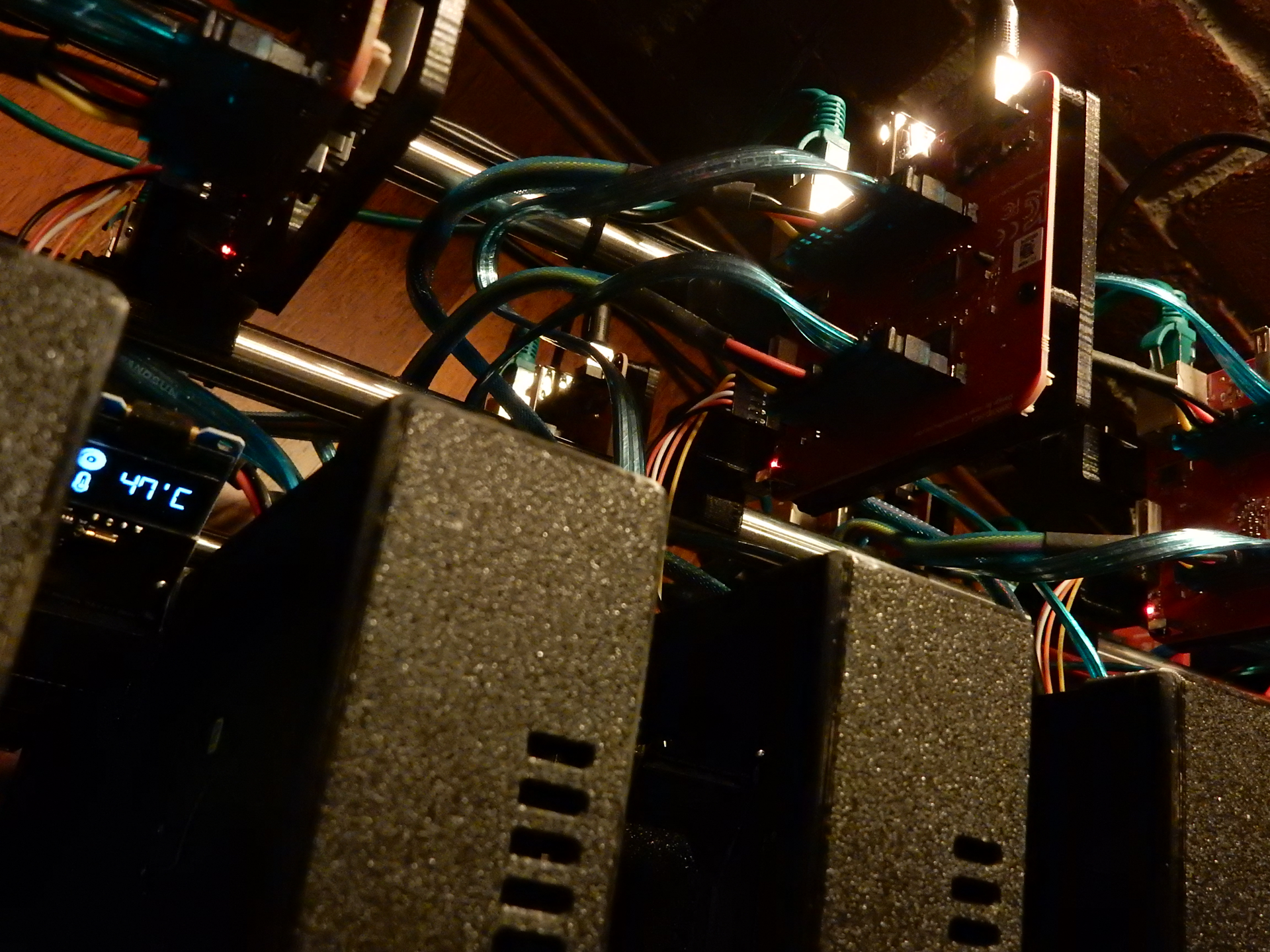
Network Attached Storage :: To provide a NAS device which caters for the most common data storage needs (distributed/scalable, replicated/available and striped/performant storage models), within a native storage architecture that will enable multi-box, multi-rack, multi-site configurations.
Project output includes example hardware component information with assembly instructional documentation, Linux firmware and operating documentation.
Description:
Storage is fundamental to any information system, and not just via its capacity. The richer the storage capability – the more robust and reliable it is, the more integral and the more secure it is – the greater the capability that it enables in downstream architectures. Storage moves from being "a place for files", to a highly available, high speed delivery platform capable of being the one repository for all digital assets (tools and information) and a modern example of that is S3.
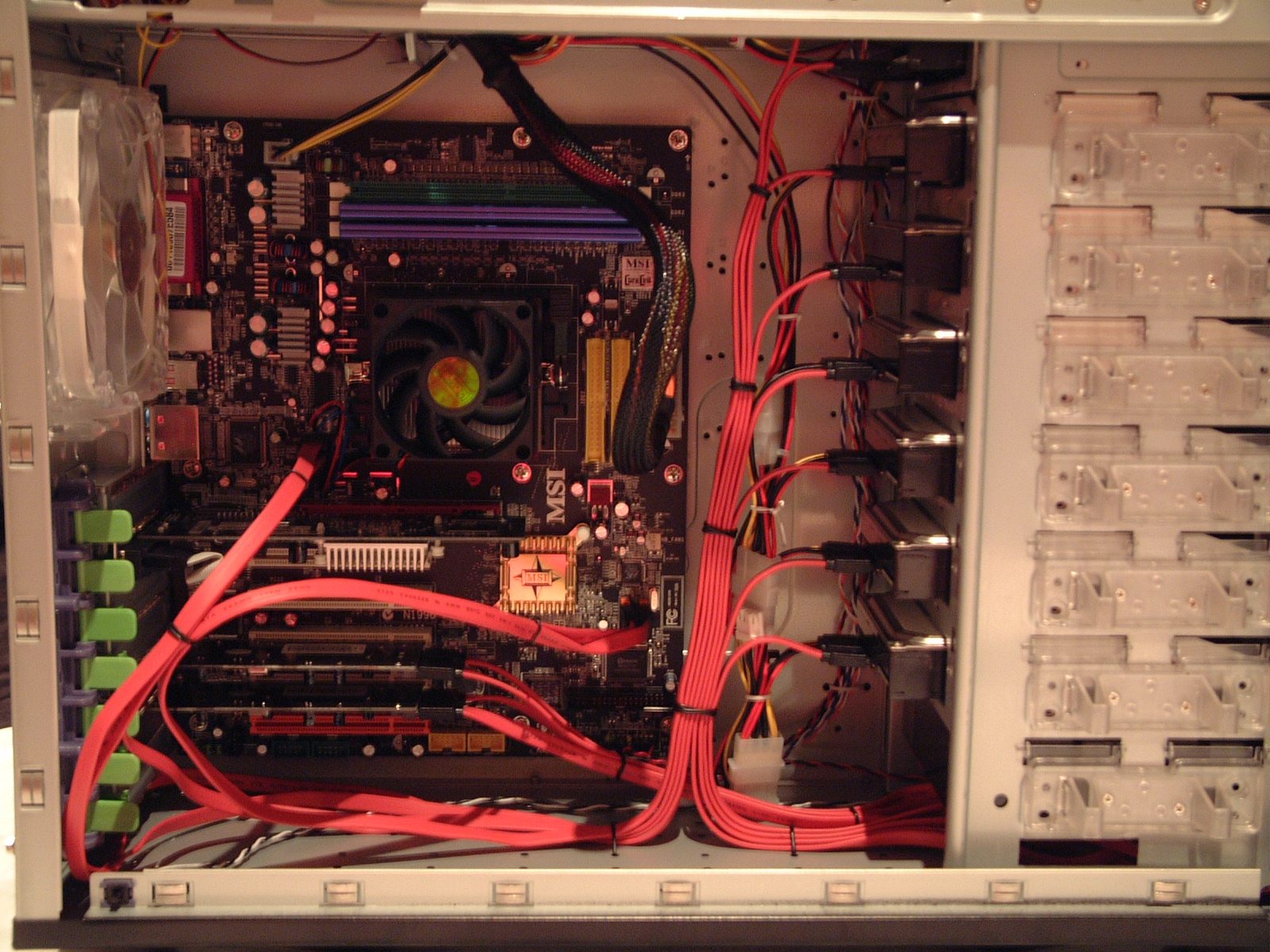
Project Saturn was kicked off in another era – in 2006 it was needed to construct about 2TB of storage from 300MB drives. While, in 2020, 16TB drives can be used to construct a PB (petabyte), and in all that time the problem has not changed. The thirst for storage stems from the same needs. Consequently, Project Saturn is still intended to deliver a Network Attached Storage (NAS) solution from commodity, off-the-shelf hardware and open source software.
Each generation of the Saturn project has been named after the moons of Saturn (prior to the discovery of S/2009 S 1, and setting aside the moonlets). This current generation is the second generation of Saturn, known as Daphnis.
Saturn Generation 1 - Pan (2006-2019)
Saturn was an embedded platform that created a Network Attached Storage (NAS) device from any modern x86 computer and without specialist hardware.
Saturn was built on GlusterFS which catered for most standard RAID-like configurations (distributed, redundant and striped storage models), as well as supporting network-based asynchronous file replication to enable more common enterprise storage network (multi-box, multi-rack, multi-site) configurations. Beneath GlusterFS, Saturn is a portable Linux distribution produced by Midnight Code that would boot from a 32MB USB key ensuring no storage was wasted on firmware.
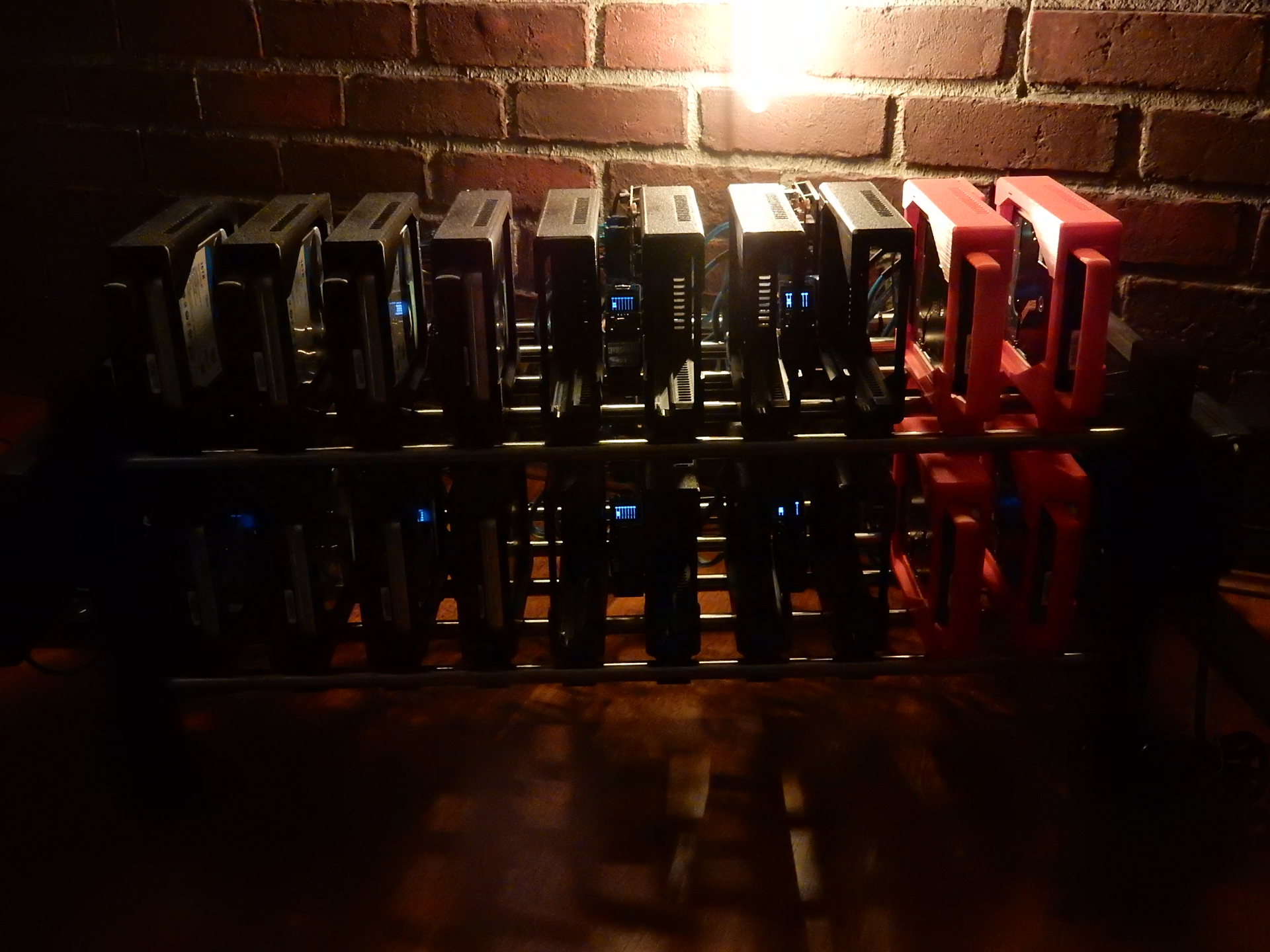
Saturn Generation 2 - Daphnis (2019-)
Taking advantage of more than a decade’s worth of hardware improvements, and asserting the principle of horizontal scalability, Saturn is now a NAS comprised of individual storage nodes - multi-core ARM processors and gigabytes of memory per connected drive; current off-the-shelf technology that is reflective of industrial evolution.
To better suit the objectives of the project, Gen2 Saturn has been built on the distributed file-system MooseFS. In this generation, no effort has been made to embed the distribution, instead leveraging an Ubuntu distro that has been modified by the hardware OEM to support the tin. Unfortunately this means the firmware is a whale at 2GB, but is deployed via Micro SD card to ensure that even at this scale, no storage is wasted on firmware.
The Saturn Installation and Operations Manuals (in each individual project site) are guides to assist with the assembly, configuration and operation of Midnight Code Saturn storage appliances.